museo
Services Process Library Atelier Work FAQ Start a project

Illustrative projects

Problem, solution, what shipped.

Six situations that come up again and again in bag manufacturing, and how we work through them. Read these as worked examples of the method, not as a client list.

These are illustrative scenarios. They are composites of the problems we solve, with representative figures. They are not accounts of named clients and the numbers are not audited results. When a client gives written permission to publish a real project, it will appear here marked as one.

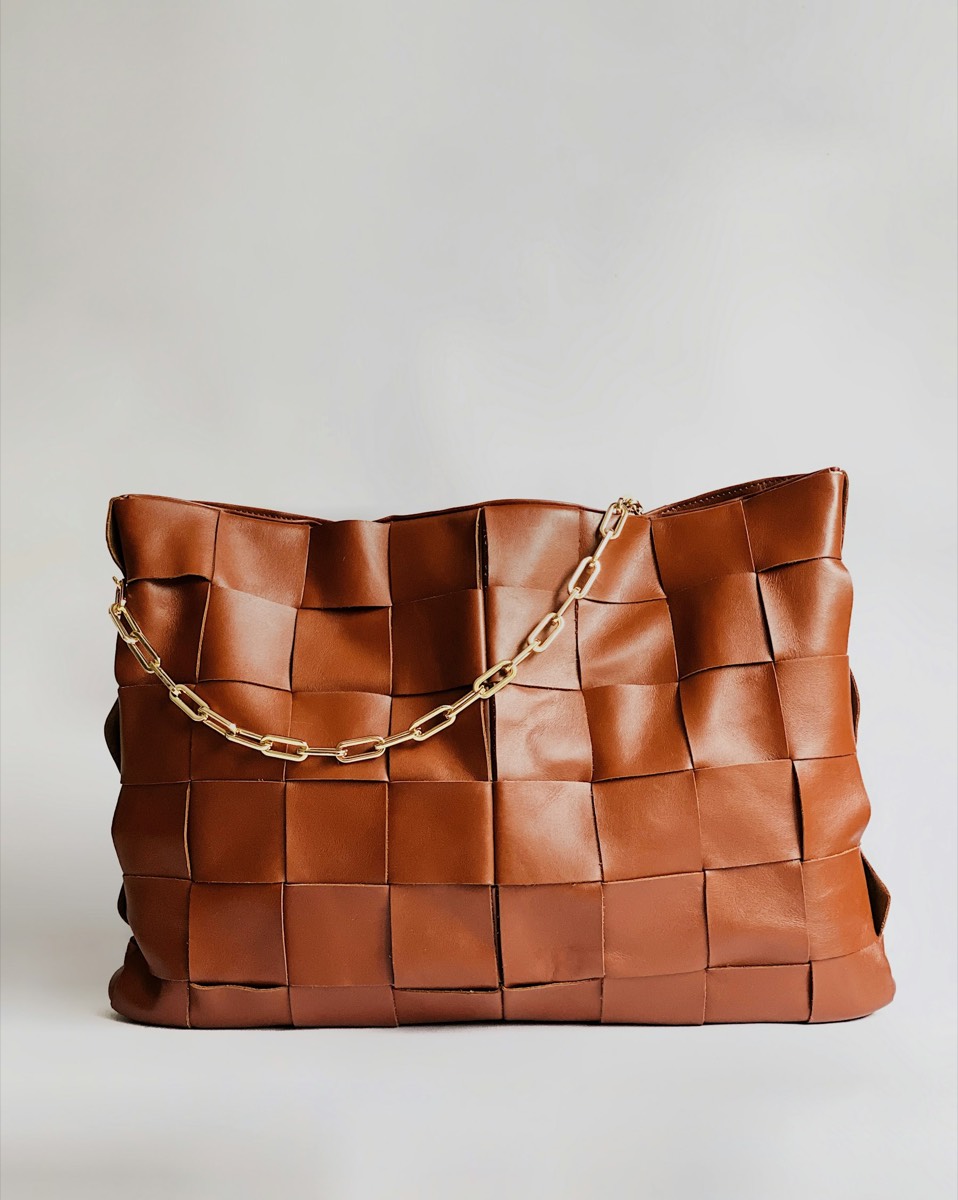
A woven tan leather tote bag with a chain strap

Illustrative · Established brand

The handle that kept coming apart

Problem

A woven calf tote comes back at around six in every hundred, failing where the handle meets the body. The previous supplier reinforced the handle itself, which made the handle stronger and moved the tearing one centimetre down into the panel.

Solution

Re-cut the weave so the strips run across the load rather than with it, and carry the stress into a reinforced gusset instead of the join. One extra component, no extra operation on the line, and the retail price holds.

Result

0.4%

Returns, against 6% before

1,200

Units shipped

14

Weeks, brief to delivery
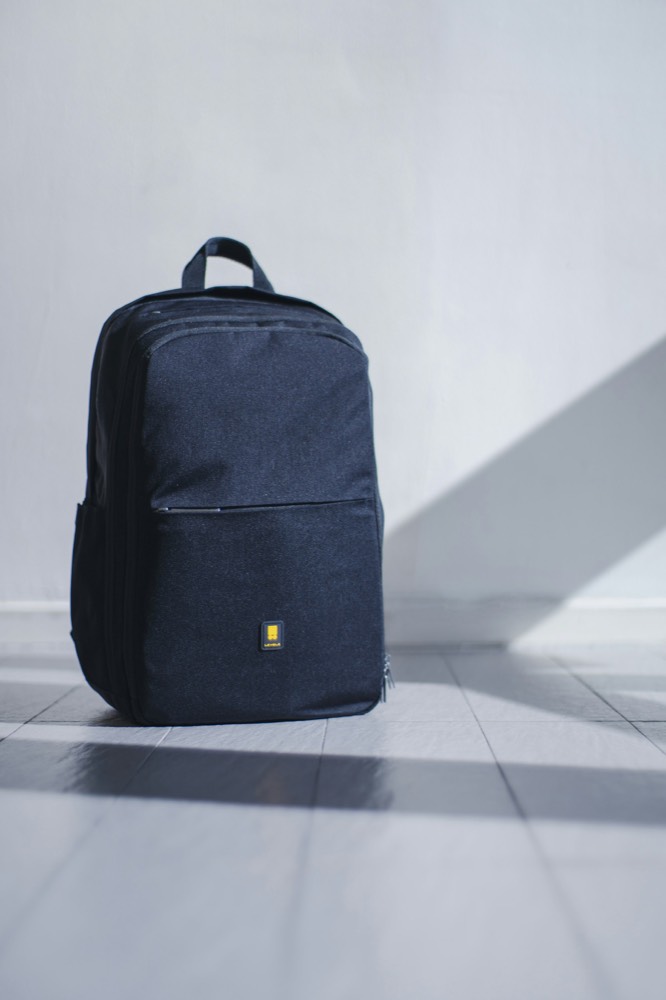
A navy technical backpack standing on a pale tiled floor

Illustrative · Emerging brand

The launch date already announced

Problem

A founder with a pre-order list, a date already promised to it, and a design nobody has costed. Three factories have quoted without saying which assumptions the price rests on, so the quotes cannot be compared.

Solution

Cost the same bag three ways, in recycled nylon, in coated canvas and in a hybrid, and show line by line what each change buys. The brand takes the middle spec and drops one interior pocket to fund a better zip.

Result

300

Units, first run

3

Colourways

9

Days early

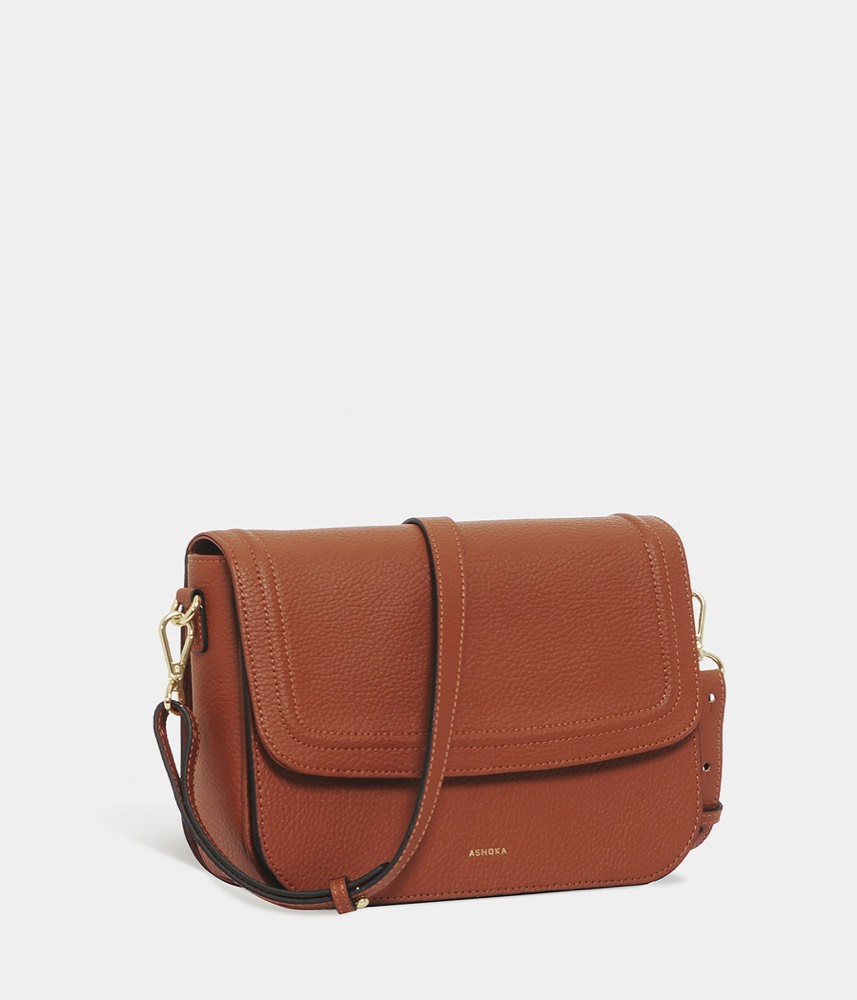
A tan leather crossbody bag on a white background

Illustrative · Corporate

Two thousand gifts, eleven countries

Problem

A staff gift programme with a handover date that cannot move, a brand book that specifies the deboss to the millimetre, and customs rules that differ at every destination.

Solution

Deboss, box and barcode in house, then split one production batch into eleven shipments, each with its own paperwork. One batch means the leather colour matches in Casablanca and in Copenhagen.

Result

2,500

Units

11

Destinations

0

Late deliveries

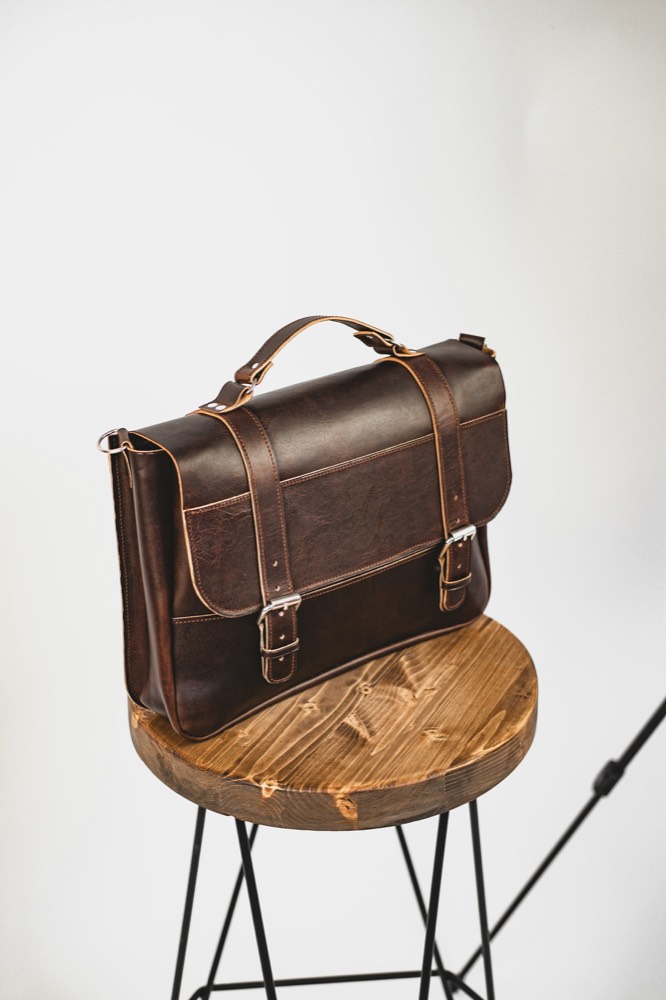
A dark brown leather satchel on a wooden stool

Illustrative · Reshoring

The tech pack that no longer matched the bag

Problem

A long-running satchel moves production closer to its European market. Over six years the pack has drifted: the bags coming off the line no longer match the document that describes them, and nobody recorded when each change happened.

Solution

Reverse-engineer a production unit into a fresh pack, list every difference against the old document, and let the brand decide which drift to keep. Two of the twenty-three turn out to be improvements somebody made on the floor and never wrote down.

Result

23

Differences logged

10

Weeks to first bulk

8%

Lower landed cost

A brown leather duffle bag photographed outdoors at dusk

Illustrative · Retailer own label

Three styles, one tooling set

Problem

An own-label travel range has to sit between the retailer's entry price and its designer concessions, without looking like a cheaper version of either. Each style on its own cannot carry its tooling cost.

Solution

Three silhouettes sharing one hardware family, one lining and one webbing, so tooling and mill minimums are spread across the range rather than loaded onto each style. The styles read as a family because they are one.

Result

3

Styles from one tooling set

40%

Lower minimum per style

4

Seasons repeated

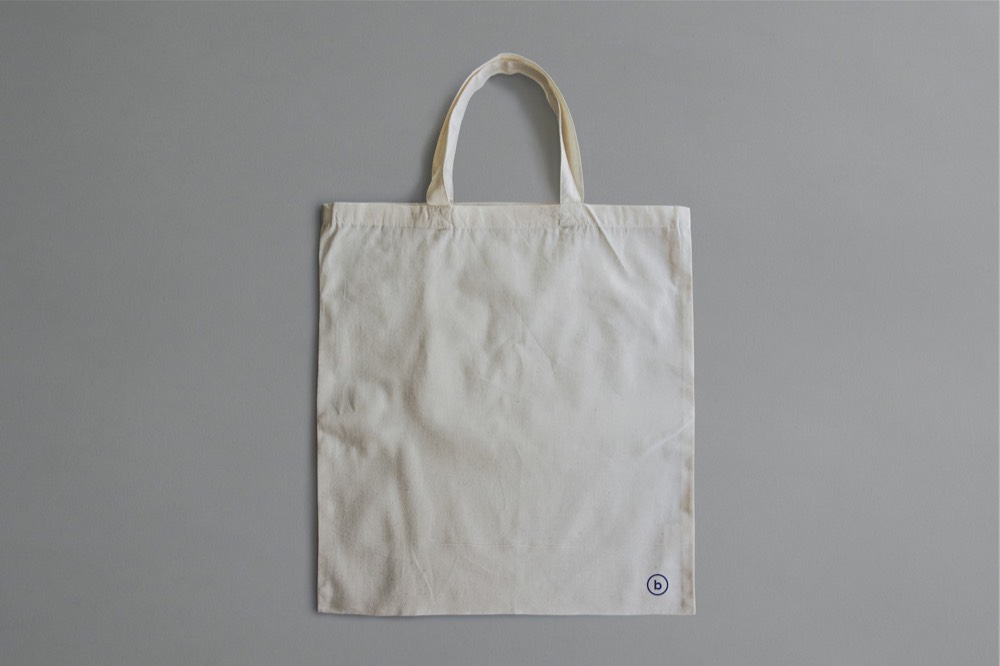
A plain natural canvas tote bag on a grey background

Illustrative · Material claim

A recycled figure that survives a journalist

Problem

A brand wants to print a recycled content percentage on the swing tag, and wants it to hold up if a regulator or a journalist asks where the number came from. The draft figure rests on two suppliers who will not put anything in writing.

Solution

Rebuild the bill of materials around components whose mills issue chain of custody documents, and drop the two that cannot evidence the claim. The percentage falls by nine points and becomes defensible.

Result

46%

Evidenced recycled content

9

Components documented

2

Claims withdrawn

Bring us the one that keeps failing.

  • NDA on request
  • First sample in 72 hours
  • MOQ from 50 units
Start a project Visit the atelier